
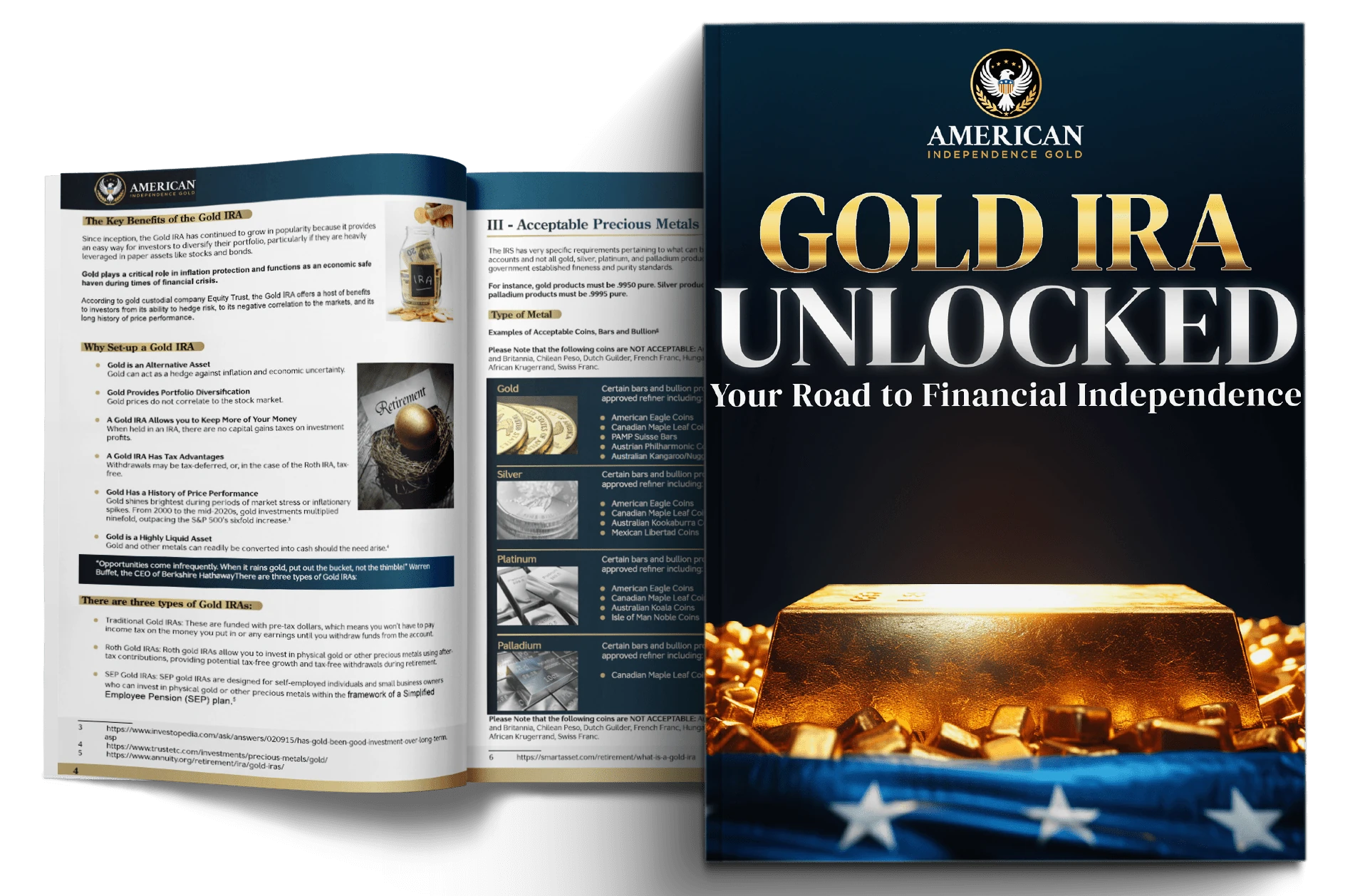
How a Gold IRA works
A Gold IRA is generally a self-directed individual retirement account that can hold certain physical precious metals. The account is administered by a custodian, and metals owned by the IRA are held through an approved storage arrangement.
The account follows applicable IRA rules. Eligibility, contribution limits, transfers, rollovers, distributions, and tax treatment depend on the account type and your circumstances. Review your specific situation with qualified tax, legal, and financial professionals.
Metal held by an IRA is not a personal collection. Do not assume that IRA-owned metal can be stored at home or handled like bullion purchased outside a retirement account.
What metals may qualify
Not every coin or bar can be held by a precious-metals IRA. Federal law and IRS guidance place restrictions on collectibles and identify exceptions for certain coins and bullion that meet applicable requirements.
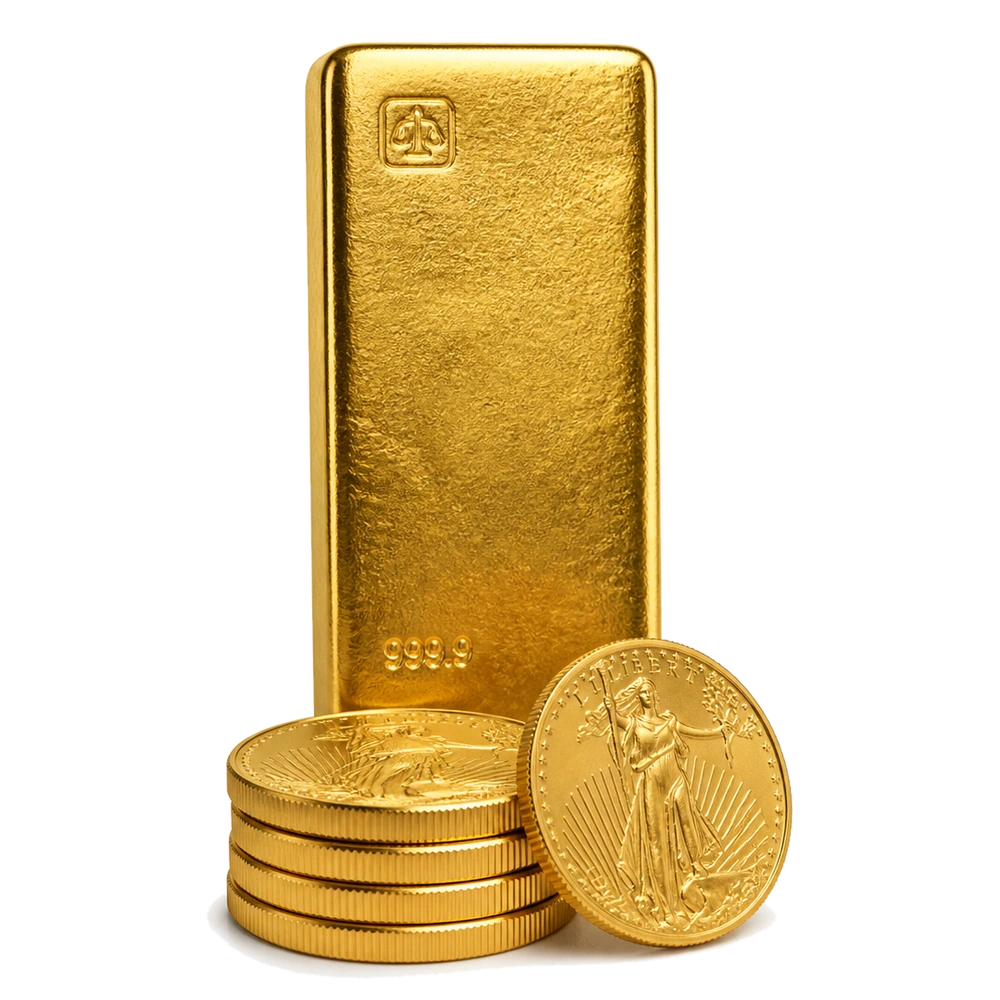
Gold
Ask whether the exact coin or bar is eligible for the account and who verified that eligibility.
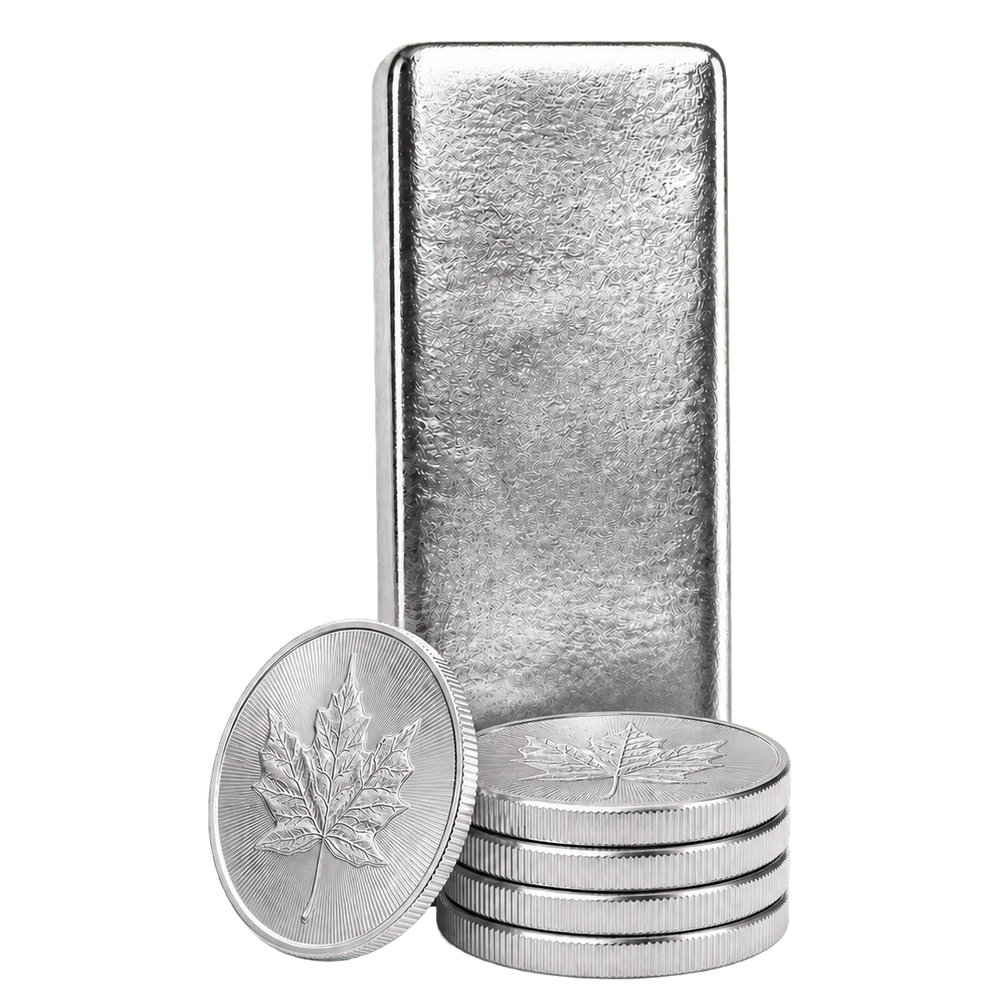
Silver and other metals
Silver, platinum, and palladium products must also meet applicable requirements. Product names alone are not enough.
Collectible or numismatic products may not qualify even when they contain precious metal. Request the exact product name, weight, fineness, price, and eligibility basis in writing before purchase.
Custodian, dealer, and depository
A precious-metals IRA normally involves separate organizations with different responsibilities.
Custodian
Administers the self-directed IRA, maintains account records, and processes authorized instructions.
Precious-metals dealer
Explains eligible products, provides transaction pricing, and coordinates the purchase or sale of metals.
Depository
Stores metals owned by the IRA under the selected custody and storage arrangement.
American Independence Gold is the precious-metals dealer. The Entrust Group is one custodian provider that may administer a self-directed IRA. Storage is handled separately through an approved depository.
A typical account process
- Discuss the goal.Explain the type of account you have, what you want to understand, and how much access to cash you may need.
- Review the account path.Confirm whether a new self-directed IRA, transfer, or rollover is being considered and which parties would be involved.
- Review written costs and products.Understand the account fees, dealer spread, storage costs, product eligibility, and transaction terms.
- Authorize each instruction.Do not move funds or approve a purchase until the account documents and transaction details make sense to you.
- Keep the records.Save account agreements, trade confirmations, fee schedules, storage information, and contact details.
Fees and pricing to review
Ask for a written explanation of every cost that may apply. Depending on the account and transaction, costs may include:
- Dealer spread or premium on the metal
- Account setup or annual custodian fees
- Transaction or wire fees
- Shipping and handling
- Depository storage and insurance charges
- Costs that may apply when metals are sold or distributed
The quoted market price of a metal is not necessarily the amount you will pay or receive. Ask for both the purchase price and the dealer’s current repurchase price for the same product before authorizing a trade.
Liquidity and distributions
Physical metals do not produce interest or dividends while held. Their value depends on market prices, product demand, transaction costs, and the terms available when they are sold.
Accessing cash from an IRA may require the custodian to process a sale or distribution. Timing, taxes, penalties, shipping, and other consequences can vary. Ask how the process works before funding the account, not when you need the money.
Questions to ask before you decide
What exactly will the IRA own?
Who is the custodian, and what are its fees?
Where will the metal be stored, and under what arrangement?
What is the dealer spread on each product?
What would the dealer pay to repurchase the same product today?
How would a future sale or distribution work?
Which risks could reduce the account’s value?
Which questions should I review with my own professionals?
Important risk information
This page provides general education, not individualized investment, tax, or legal advice. Precious-metals prices can rise or fall in value. Dealer spreads, account fees, storage costs, market conditions, and liquidity can affect results. Physical metals do not produce income while held and may not be appropriate for every retirement strategy.
Precious metals are not deposits and are not protected by FDIC or NCUA deposit insurance. Review official account documents and consult qualified financial, tax, and legal professionals before making a decision.
Official references
Turn the guide into a real conversation
Bring your questions about account structure, products, pricing, storage, and the process. A conversation does not obligate you to open or fund an account.
Request another copy of the guide