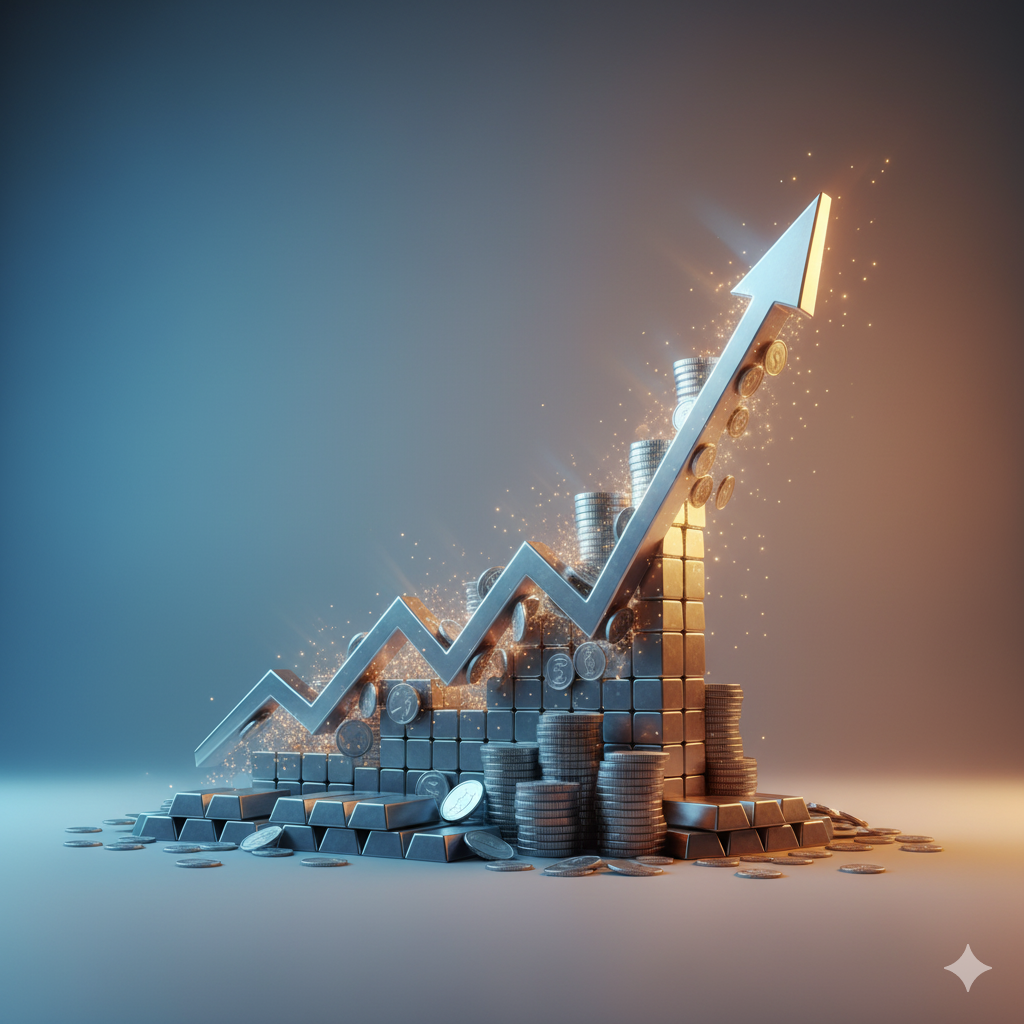
Starting in late August, silver caught a lot of attention by jumping over 40% in just two months. But then, almost as quickly, it dropped about 15% in the space of a week. This sharp rise and sudden fall left many investors wondering what’s really driving silver’s price swings. Understanding these moves means looking at a few key factors, including silver’s connection to gold, growing industrial demand fueled by AI, and the risks that might affect metals markets in the near future.
Silver’s Strong Connection to Gold
One of the main reasons silver moves the way it does is because it’s closely linked to gold. The CME Group’s cross-asset tool recently showed that silver’s price has an 86% correlation with gold over the past three months. To put that in perspective, this is well above the usual average correlation of about 69%. This tight relationship means when gold prices rise or fall, silver often follows along.
Both metals belong to the precious metals group, which investors often view as safe havens during uncertain economic times. However, silver is unique because it’s not just an investment asset; it’s also used in many industrial applications due to its excellent electrical conductivity. This dual role means silver’s price can be influenced by a mix of financial markets and real-world demand.
Why Does This Correlation Matter?
Because silver often tracks gold’s movements, many investors use gold prices to predict silver trends. When gold is seen as a safe store of value, especially during inflation or geopolitical tensions, silver benefits as well. But since silver has industrial uses, its price can sometimes diverge from gold, depending on economic conditions.
AI and Industrial Demand Boosting Silver’s Appeal
Another factor supporting silver’s recent surge is growing industrial demand, especially from the technology sector. Silver’s high conductivity makes it essential for manufacturing electronics, solar panels, and other tech components. With artificial intelligence (AI) pushing large data center expansions and increased electrification worldwide, the need for silver and other metals like copper is rising steadily.
Data centers, which house servers and store vast amounts of information, rely heavily on metals for wiring and cooling systems. As AI technologies expand, companies are building more of these centers, which in turn increases demand for silver. This industrial demand adds a solid foundation to silver’s price beyond just investor speculation.
How Does AI Influence Precious Metals?
AI doesn’t just create demand for more computing power; it also drives innovation in clean energy and smart devices, both of which require metals like silver. This means that as AI tech grows, it indirectly supports the market for precious metals, making silver an attractive option for a Precious Metals IRA investment.
Risks That Could Affect Silver and Gold Markets
Despite these positive factors, silver and gold markets face uncertainties that could slow or reverse gains. Two key questions stand out for investors to watch closely.
- Will global trade tensions ease? Recent talks between major economies like the US and China show some progress, but the situation remains fragile. If geopolitical risks cool, demand for safe-haven metals like gold and silver could weaken.
- Will the Federal Reserve change its monetary policy? Inflation control remains a top priority, but the Fed has recently signaled a more easing stance with lower policy rates. If inflation concerns return or the labor market changes unexpectedly, the Fed might tighten policy again, affecting metals prices.
These uncertainties make the metals market unpredictable. Traders who expect silver to rise might consider futures contracts, while those betting on declines should also plan for risk with stop-loss orders. For example, some investors look at buying December micro silver contracts near $50, aiming for a rise close to all-time highs, while others might sell if they expect prices to fall.
What Should Investors Keep in Mind?
Investing in silver, especially through vehicles like a Gold IRA, means balancing the potential rewards with risks from geopolitical and economic shifts. Silver’s dual nature as both a precious metal and an industrial resource means its price can shift quickly based on global events and market sentiment.
Final Thoughts on Silver’s Role and Investment Potential
Silver’s recent surge and sharp pullback highlight the complex forces shaping precious metals markets today. Its strong link to gold, combined with rising industrial demand driven by AI and electrification, supports a bullish outlook over the longer term—though short-term volatility remains a concern. For investors considering diversification or protection against inflation, silver offers an interesting option within a Precious Metals IRA portfolio.
If you want to explore how silver and gold can fit into your retirement strategy, contact us for personalized guidance. Or call us directly at (844)714-4653to discuss how American Independence Gold can help secure your financial future with trusted precious metals investments.