
Jeremy Grantham has been warning investors about market bubbles for decades. He called the dot-com crash. He saw the 2008 housing collapse coming. And now, the legendary investor and co-founder of asset management firm GMO has a new warning: the SpaceX IPO might go down as one of the craziest bets ever made on Wall Street. More importantly for everyday investors, his warning points back to something that has never needed a hype cycle to hold its value — gold.
This isn’t just another bearish take from a cautious investor. Grantham’s track record gives his words real weight. When he says something could look ridiculous in 50 years, people who care about their retirement savings should probably pay attention.
What Grantham Actually Said About SpaceX
Grantham’s concern about a potential SpaceX IPO isn’t really about the company itself. SpaceX is an impressive operation by almost any measure. The issue, according to Grantham, is the valuation and the speculative frenzy that tends to surround high-profile tech and space ventures. He’s called it potentially the “craziest” market bet for Main Street investors, meaning the everyday person who might pour retirement savings into a hot IPO because of the excitement around it.
The core of his argument is simple: hype-driven investments look brilliant right up until they don’t. Think about the companies that seemed untouchable at the peak of the dot-com bubble in 1999. Many of them were gone within a few years. Some of the biggest names in tech from that era are now footnotes. Grantham believes a similar dynamic could play out with speculative space and tech valuations, and he thinks future generations might look back at today’s prices and shake their heads.
Why Ordinary Investors Are Most at Risk
The people who tend to get hurt most in speculative bubbles aren’t hedge funds or institutional investors. Those groups have risk management systems, diversified portfolios, and the ability to exit positions quickly. It’s the regular investor, the person saving for retirement through a 401(k) or IRA, who often buys in near the top because that’s when the news coverage is loudest. By the time a hot IPO reaches Main Street, the biggest gains may already be priced in, and the biggest risks are just beginning.
Grantham’s warning is really a reminder that chasing excitement is not a retirement strategy. Long-term financial security comes from assets that hold value through market cycles, not just during them.
Gold Has Outlasted Every Hype Cycle in History
Here’s something worth thinking about: gold has been used as a store of value for over 5,000 years. It predates stock markets, central banks, IPOs, and the entire concept of a corporation. While individual companies rise and fall with the times, gold has maintained its purchasing power across empires, wars, currency collapses, and every kind of economic upheaval imaginable.
That staying power isn’t an accident. Gold is scarce, durable, and universally recognized. It can’t be printed by a government or inflated away by a central bank. When paper currencies lose value, gold tends to hold or increase its worth. That’s exactly why cautious investors like Grantham consistently point back to hard assets when they see speculative excess in the market.
For investors curious about the basics of gold as an asset class, the gold investing basics page at American Independence Gold is a solid starting point. It breaks down why gold matters and how it fits into a long-term financial plan without assuming you already know the terminology.
Gold vs. Speculative Tech: A Long-Term Comparison
Consider what happened to investors who put their savings into high-flying tech stocks at the peak of the dot-com bubble versus those who held gold. The Nasdaq composite index lost roughly 78% of its value between 2000 and 2002. Gold, meanwhile, began one of its longest bull runs in history, eventually tripling in price over the following decade. That pattern has repeated in various forms throughout financial history. When speculative assets crash, gold often moves in the opposite direction because investors rush toward safety.
This doesn’t mean gold is a get-rich-quick investment. It’s not. Gold is a wealth preservation tool. It’s the kind of asset that protects what you’ve built rather than promising to multiply it overnight. For retirement savers, that distinction matters enormously.
The Case for a Precious Metals IRA Right Now
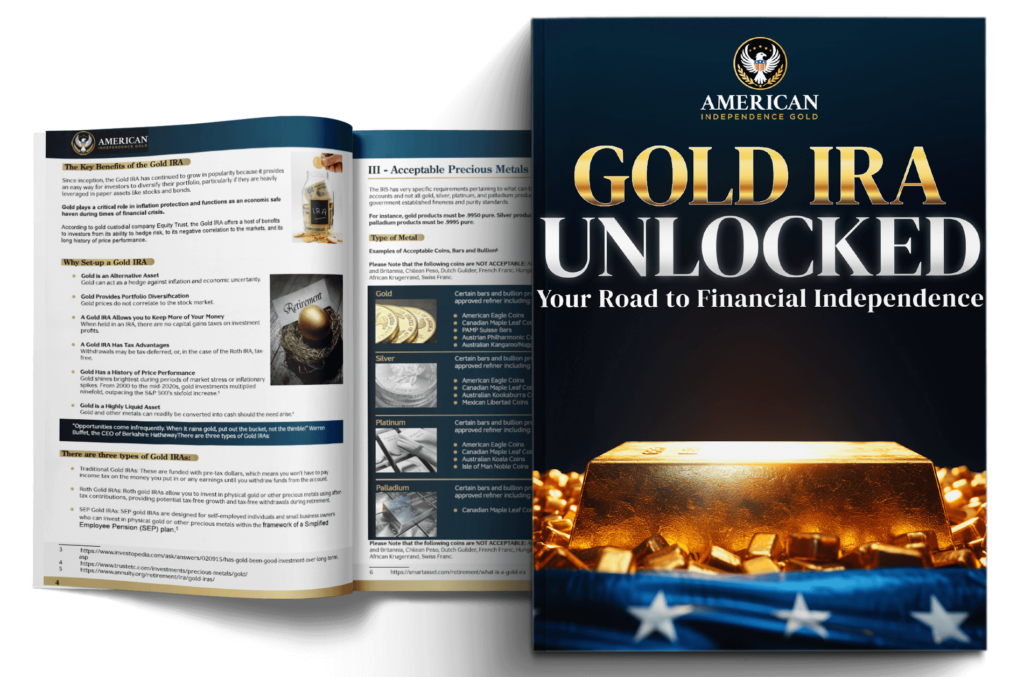
One of the most practical ways to add gold to a retirement portfolio is through a Gold IRA, also called a Precious Metals IRA. This is a self-directed individual retirement account that holds physical gold (and sometimes silver, platinum, or palladium) instead of, or alongside, traditional paper assets like stocks and bonds. The account works similarly to a traditional IRA in terms of tax advantages, but the underlying assets are tangible metals held in an IRS-approved depository.
Understanding how a Gold IRA works is easier than most people expect. You can open one with new contributions, or you can fund it by rolling over an existing retirement account. If you have a 401(k) from a current or former employer, a 401k to Gold IRA rollover allows you to move those funds into physical precious metals without triggering taxes or early withdrawal penalties, as long as the process is done correctly.
Why Timing Matters in Today’s Market
Grantham’s warning about SpaceX isn’t happening in a vacuum. It comes at a time when equity valuations across many sectors are historically elevated, interest rates have been volatile, and inflation has eroded the purchasing power of cash savings. In that kind of environment, the argument for holding a portion of retirement savings in physical gold becomes stronger, not weaker.
Investors who diversify into a Precious Metals IRA before a market correction are in a very different position than those who try to make the move after the damage is done. Historically, gold prices tend to rise when equity markets fall, which means holding both can smooth out the volatility in a retirement portfolio over time.
Frequently Asked Questions
What is Jeremy Grantham’s concern about the SpaceX IPO?
Grantham believes the SpaceX IPO could represent one of the most speculative bets ever offered to ordinary investors. His concern is that sky-high valuations driven by excitement rather than fundamentals could leave retail investors holding overpriced shares that underperform or collapse in value over the long term, much like many dot-com era stocks did after their peak.
Why do cautious investors turn to gold during market uncertainty?
Gold has historically acted as a safe-haven asset during periods of market stress. Unlike stocks, gold is not tied to corporate earnings or business performance. It holds intrinsic value, is scarce by nature, and cannot be inflated away by government policy. When stock markets drop sharply, gold often holds steady or rises as investors seek stability.
What is a Gold IRA and how is it different from a regular IRA?
A Gold IRA is a self-directed individual retirement account that holds physical gold or other approved precious metals instead of paper investments like stocks or mutual funds. It offers the same tax advantages as a traditional or Roth IRA but provides exposure to tangible assets. The metals are stored in an IRS-approved depository on behalf of the account holder.
Can I move my existing 401(k) into a Gold IRA without paying taxes?
Yes. A direct rollover from a 401(k) to a Gold IRA is a tax-free and penalty-free transaction when handled properly. The key is using a direct rollover rather than taking a distribution yourself. Working with a specialist like American Independence Gold ensures the process follows IRS rules and avoids any unintended tax consequences.
How much of my retirement portfolio should be in gold?
Most financial advisors who recommend gold suggest allocating somewhere between 5% and 20% of a retirement portfolio to precious metals, depending on your age, risk tolerance, and overall financial goals. Gold is typically used as a diversifier and wealth-preservation tool rather than a primary growth investment. A specialist can help you determine the right allocation for your situation.
If Grantham is right, and history suggests he often is, the investors who will be most secure in the years ahead are the ones who didn’t chase the headline and instead built portfolios around assets with real, lasting value. A Gold IRA through American Independence Gold is one of the most straightforward ways to do exactly that. To get started or ask questions, contact us online or call our team directly at (844) 714-4653. We’re here to help you protect what you’ve worked hard to build.