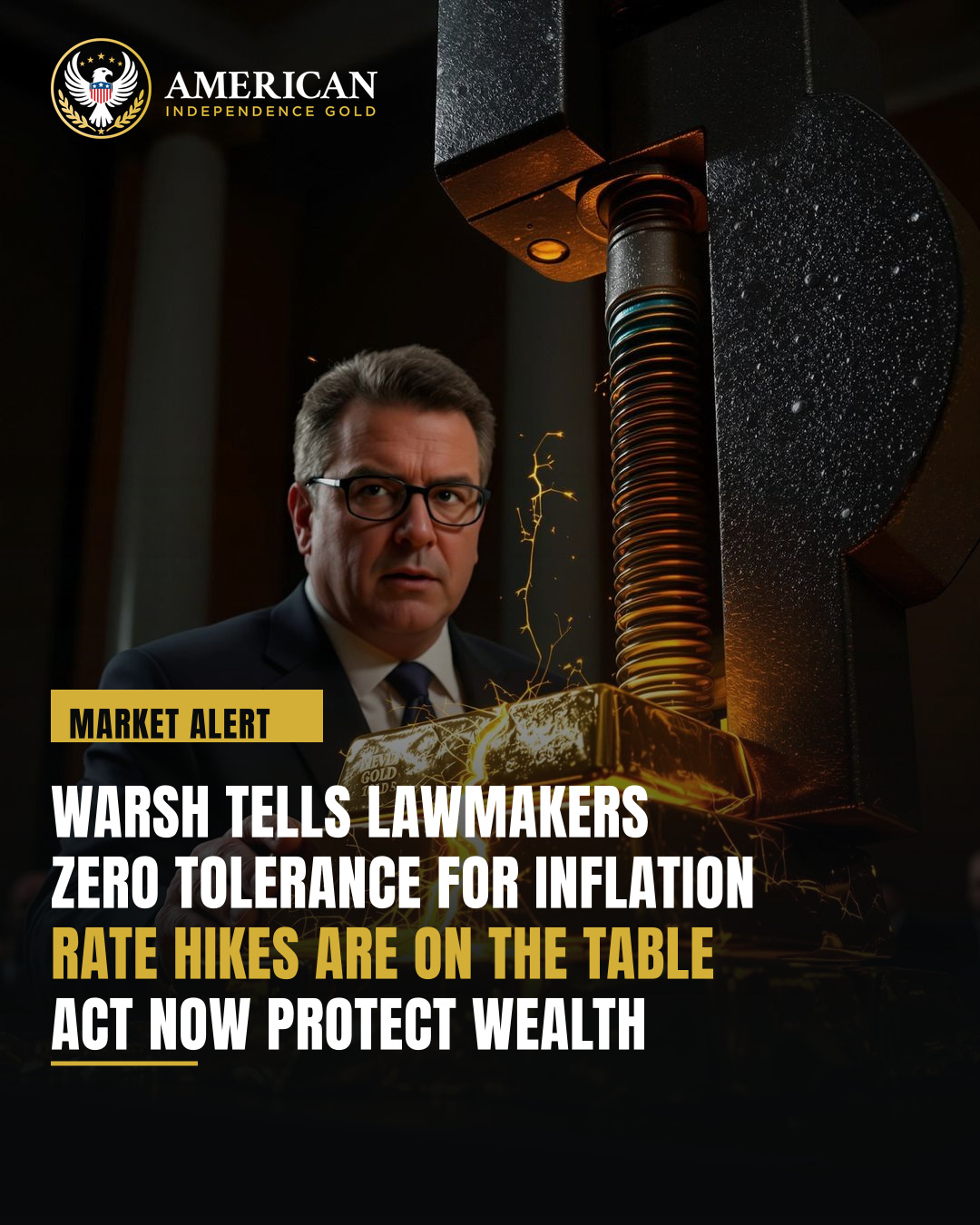

Federal Reserve Chair Kevin Warsh sent a clear signal to lawmakers recently, and it’s one that every retirement saver should pay attention to. Warsh told Congress that the central bank has zero tolerance for elevated inflation, and if prices don’t come down, rate hikes are back on the table. That kind of language from the Fed chair doesn’t happen in a vacuum. It moves markets, shifts investor behavior, and forces regular Americans to rethink how they’re protecting their savings.
For people with money sitting in traditional retirement accounts, this is a moment worth pausing on. When the Fed starts talking tough about inflation, it usually means volatility is coming, and volatility has a way of exposing weaknesses in portfolios that felt perfectly fine just a few months ago.
What Warsh Actually Said and Why It Matters
Warsh’s remarks weren’t just political posturing. He made it clear that the Federal Reserve is prepared to take aggressive action to bring inflation under control, including raising interest rates if necessary. Rate hikes are a tool the Fed uses to cool down an overheated economy by making borrowing more expensive. That slows spending, which eventually slows price increases. The problem is that this process creates real pain for investors along the way.
When interest rates rise, bond values fall. Stock markets often take a hit as companies face higher borrowing costs. And the purchasing power of cash savings can still erode if inflation doesn’t drop fast enough. Basically, the tools the Fed uses to fight inflation can hurt the very savings you’ve been building for years. That’s the uncomfortable reality that Warsh’s statement puts front and center.
Rate Hikes and the Dollar’s Buying Power
One thing a lot of people don’t realize is that even when the Fed raises rates, inflation doesn’t disappear overnight. There’s often a lag between when the policy kicks in and when prices actually start falling. During that window, the dollar’s buying power can keep shrinking. That means your savings, if they’re sitting in cash or low-yield accounts, are quietly losing value in real terms. It’s not dramatic, but over months and years, it adds up to a significant loss of wealth.
This is exactly why so many financial advisors and retirement specialists point toward hard assets during periods of Fed uncertainty. Gold, in particular, has a long track record of holding its value when paper currencies come under pressure. When the Fed signals aggressive action, gold often responds by attracting more attention from investors who want something tangible behind their wealth.
Why Gold Tends to Shine During Fed Uncertainty
Gold’s relationship with inflation and Fed policy isn’t a coincidence. It’s rooted in the basic economics of supply and demand, combined with gold’s historical role as a store of value. When investors get nervous about the purchasing power of the dollar, they tend to move money into assets that can’t be printed or inflated away. Gold fits that description perfectly.
You can check the current gold price at any time to see how the market is reacting to economic news in real time. Historically, periods of Fed tightening combined with persistent inflation have been some of the strongest environments for gold prices. That’s not a guarantee of future performance, but it’s a pattern worth understanding as you think about your own retirement strategy.
Physical Gold Versus Paper Assets
There’s an important distinction between owning physical gold and owning paper investments tied to gold, like ETFs or mining stocks. Physical gold, the kind held in an IRS-approved depository through a Gold IRA, gives you direct ownership of a real asset. It doesn’t depend on a company’s earnings, a bank’s solvency, or a fund manager’s decisions. When the economic environment gets choppy, that kind of direct ownership starts to look a lot more appealing to people who’ve been burned by paper losses before.
How a Gold IRA Fits Into This Picture
A Gold IRA is a self-directed individual retirement account that lets you hold physical precious metals, like gold and silver, inside a tax-advantaged retirement structure. It works similarly to a traditional IRA in terms of the tax benefits, but instead of holding stocks and bonds, you’re holding real, tangible gold that’s stored in a secure, IRS-approved facility.
For people who already have a 401(k) through a current or former employer, there’s a straightforward path to getting some gold exposure without triggering taxes or penalties. A 401k to Gold IRA rollover lets you move funds from your existing retirement account into a Gold IRA without a taxable event, as long as the process is handled correctly. This is one of the most popular ways Americans are responding to Fed uncertainty right now, and it’s worth understanding how it works before making any decisions.
Who Should Consider a Precious Metals IRA
A Precious Metals IRA isn’t a one-size-fits-all solution, but it tends to make the most sense for people who are within 10 to 20 years of retirement, have most of their savings tied up in traditional paper assets, and are genuinely concerned about what inflation and Fed policy could do to their purchasing power over time. If you’re in that category and you’ve been watching the news about Warsh’s inflation warnings, it’s a reasonable time to at least explore your options.
Being Proactive With Your Wealth in an Uncertain Environment
One of the clearest takeaways from Warsh’s remarks is that the economic environment is not going to stay calm and predictable. The Fed is signaling that it’s willing to take strong action, and strong action from the Fed has historically created turbulence across financial markets. Waiting until the turbulence is already happening to make portfolio changes is usually not the best strategy. By the time most people react, the damage is already done.
Being proactive means taking a hard look at your current retirement holdings, understanding how they might perform in a high-rate, high-inflation environment, and making adjustments before you need to. That doesn’t mean abandoning stocks or moving everything into gold overnight. It means having a thoughtful conversation about diversification and making sure your savings have some protection built in.
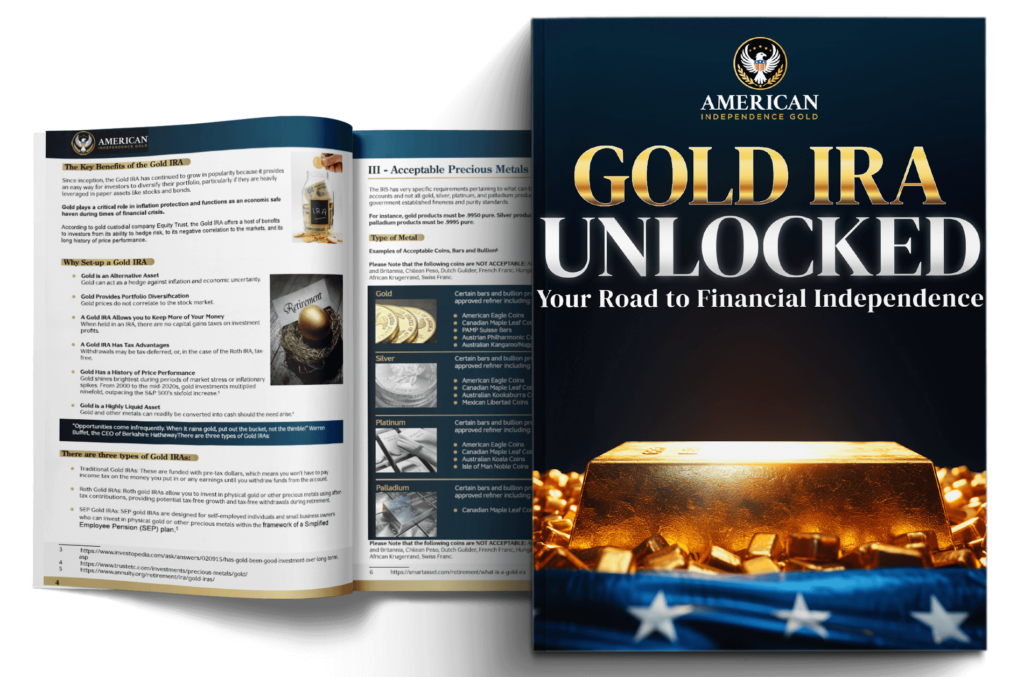
If you want to go deeper on the topic, American Independence Gold has put together a detailed resource covering everything you need to know about Gold IRAs, from how they’re structured to what kinds of metals qualify under IRS rules. It’s a good starting point for anyone who’s serious about understanding their options.
Frequently Asked Questions
What does it mean when the Fed Chair says there’s “zero tolerance” for inflation?
When the Fed Chair uses language like “zero tolerance” for inflation, it signals that the central bank is prepared to raise interest rates aggressively to bring prices down. This kind of statement typically puts markets on alert because rate hikes affect borrowing costs, bond values, and overall economic growth. It’s the Fed’s way of telling investors and lawmakers that controlling inflation is the top priority, even if it creates short-term economic pain.
How do interest rate hikes affect my retirement savings?
Rate hikes can reduce the value of bonds in your portfolio, put downward pressure on stock prices, and slow overall economic growth. If your retirement account is heavily weighted toward traditional paper assets, rising rates can erode its value during the adjustment period. Cash savings also lose ground if inflation stays elevated longer than expected, since the purchasing power of your dollars shrinks even as interest rates rise.
Why do investors turn to gold when the Fed signals rate hikes?
Gold has historically served as a store of value during periods of monetary uncertainty. When the Fed signals aggressive action, investors often shift money into gold because it can’t be inflated away or devalued by central bank policy. Gold’s price tends to reflect broader concerns about currency purchasing power and market stability, making it a common choice for people looking to protect wealth during volatile periods.
What is a Gold IRA and how is it different from a regular IRA?
A Gold IRA is a self-directed retirement account that holds physical precious metals, like gold and silver, instead of stocks and bonds. It carries the same tax advantages as a traditional or Roth IRA, but the underlying assets are tangible metals stored in an IRS-approved depository. Unlike a regular IRA, the value of a Gold IRA isn’t tied to company performance or financial markets, which is part of why it appeals to investors seeking portfolio diversification.
Can I move my 401(k) into a Gold IRA without paying taxes or penalties?
Yes, in most cases you can roll over a 401(k) into a Gold IRA without triggering taxes or early withdrawal penalties, as long as the rollover is done correctly through a direct transfer or a 60-day indirect rollover. The process involves opening a self-directed IRA, selecting an IRS-approved custodian, and moving funds from your existing account into the new one. Working with a specialist helps ensure the rollover follows IRS rules and avoids costly mistakes.
Take the Next Step Before the Market Does It for You
Warsh’s message to lawmakers is a reminder that the economic ground can shift quickly, and that the people who protect their wealth are usually the ones who plan ahead rather than react after the fact. If you’ve been thinking about adding a Gold IRA or Precious Metals IRA to your retirement strategy, now is a reasonable time to get informed and start that conversation. The team at American Independence Gold is ready to walk you through your options without pressure or jargon. Contact us today or call (844) 714-4653 to speak with a specialist who can help you figure out what makes sense for your specific situation.