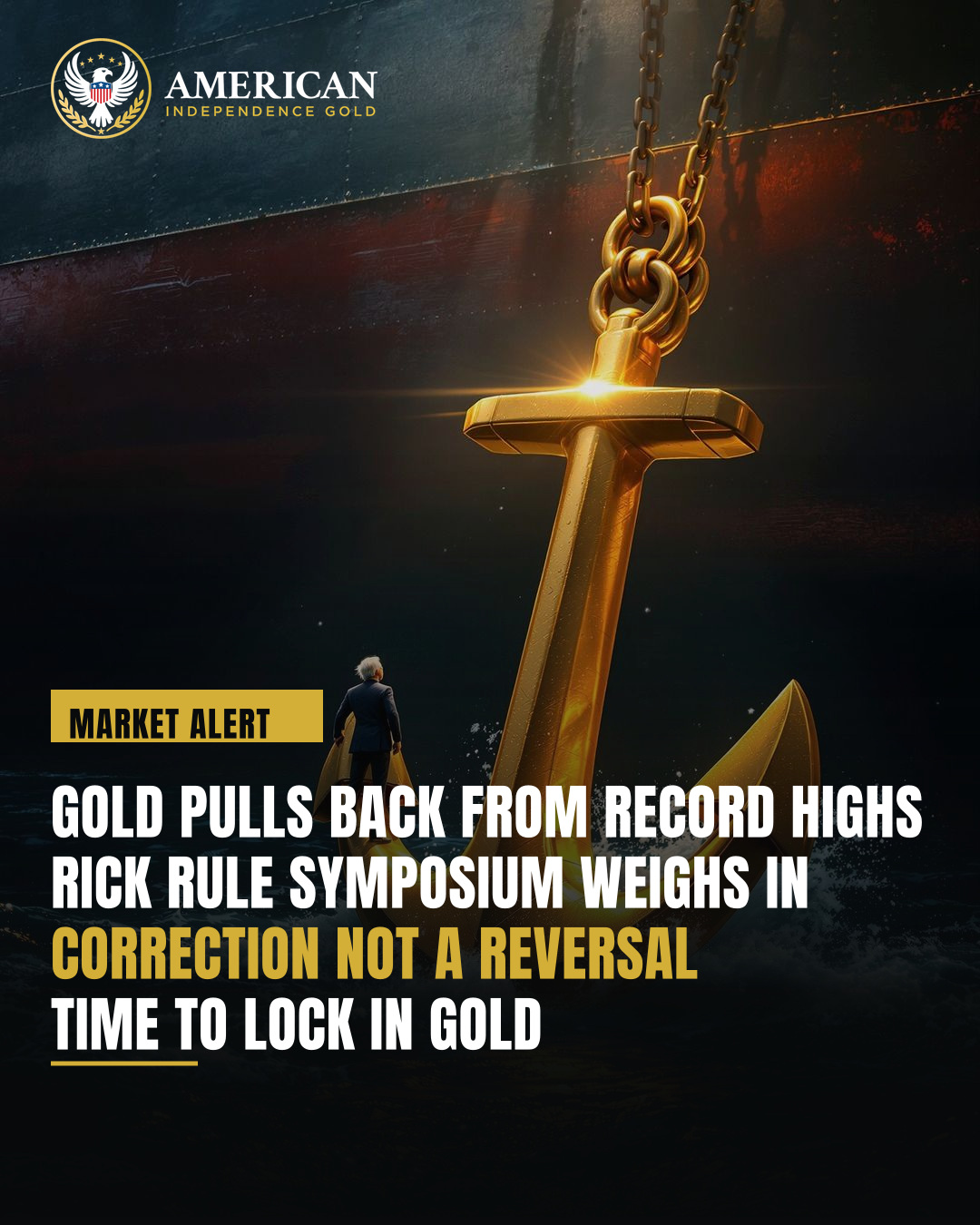

Gold is getting a lot of attention these days, and honestly, it’s not hard to see why. Between rising government debt, ongoing inflation concerns, and a dollar that keeps losing purchasing power, more and more investors are turning to gold as a place to protect what they’ve built. Two price levels are showing up in a lot of conversations right now: $4,100 and $4,900. These aren’t random numbers. They represent what many analysts are calling key “buy zones” for investors who want to position themselves before the next major move higher.
If you’re wondering whether now is the right time to pay attention to gold, or whether a Gold IRA might make sense for your retirement savings, this breakdown is worth reading carefully.
Why Gold Keeps Climbing in a World Full of Paper Money
Here’s the basic story: governments spend money. A lot of it. And when they run out, they borrow more or print more. That’s been the pattern for decades, and it’s only gotten more intense in recent years. The United States national debt has crossed levels that would have seemed unthinkable a generation ago, and other major economies around the world are in similar or worse shape.
When governments print more money or take on more debt, the value of each dollar in your pocket quietly shrinks. It doesn’t happen overnight, but over time, inflation eats away at savings, retirement accounts, and purchasing power. Gold doesn’t work that way. There’s only so much of it in the world, and no government can print more of it. That’s why gold has held its value across centuries while paper currencies have come and gone.
To get a better sense of gold’s history as a store of value, it’s worth reading up on why gold matters as a long-term financial asset. The fundamentals haven’t changed, even if the headlines have.
The Fiat Currency Problem
Fiat currency is money that’s backed by nothing except government promise. The U.S. dollar, the euro, the yen, all of these are fiat currencies. They have value because people believe they do, and because governments say they do. But history shows that fiat currencies almost always lose value over time. Some collapse slowly through inflation. Others fail dramatically. Gold, by contrast, has never gone to zero. That’s a track record no paper currency can match, and it’s a big reason why serious investors keep coming back to it.
Breaking Down the $4,100 and $4,900 Price Levels
So why are analysts flagging $4,100 and $4,900 specifically? These levels aren’t pulled out of thin air. They’re based on technical analysis, which is a way of reading price charts to identify where buyers and sellers tend to concentrate. When gold pulls back toward a key level like $4,100, it often attracts buyers who’ve been waiting on the sidelines. That buying pressure can push prices back up, which is why these zones matter.
Think of it this way: if you were shopping for something you really wanted and the price dropped to a level you’d been waiting for, you’d probably buy. That’s essentially what happens at key buy zones in any market. Investors who understand this dynamic try to be ready when gold revisits those levels, rather than chasing prices after they’ve already moved higher.
You can keep an eye on where gold is trading right now by checking the live gold price chart. Watching price action in real time helps you understand when these key zones are actually being tested.
What “Buy Zone” Actually Means for Everyday Investors
A buy zone is simply a price range where an asset looks attractive based on its history and current market conditions. It doesn’t mean gold will definitely bounce from that level, but it does mean there’s a higher probability of support there. For long-term investors, buy zones are less about timing a perfect entry and more about recognizing when prices have pulled back enough to offer good value. The goal isn’t to buy at the absolute bottom. The goal is to buy at a reasonable price before the next leg up.
How a Gold IRA Fits Into This Picture
For most people, the most practical way to act on a gold buying opportunity isn’t to go out and buy physical gold coins and store them under the mattress. It’s to open or contribute to a Precious Metals IRA, specifically a Gold IRA. This type of account lets you hold IRS-approved physical gold inside a tax-advantaged retirement account, which means you get the protection of gold plus the tax benefits you’d normally get from a traditional IRA or 401(k).
A Gold IRA works similarly to a regular IRA in terms of structure. You open the account, fund it through a rollover or direct contribution, and then the physical gold is stored in an IRS-approved depository on your behalf. You don’t have to worry about storing or insuring it yourself. The gold sits in a secure facility, and you own it inside your retirement account.
If you already have a traditional IRA or Roth IRA sitting in stocks and bonds, you can transfer your IRA into gold without triggering taxes or penalties, as long as the transfer is handled correctly. This is one of the most common ways people add gold to their retirement strategy without starting from scratch.
Why Retirement Savers Are Paying Attention Right Now
The timing matters here. When gold is pulling back toward a key buy zone, that’s often the best window to add exposure. Waiting until gold is already at $5,000 or $6,000 means you’ve missed a significant portion of the move. Investors who set up their Gold IRA accounts before major price runs tend to look back on that decision very favorably. The ones who wait until everyone is talking about gold on the evening news usually end up buying at much higher prices.
Frequently Asked Questions
What are gold buy zones and why do investors use them?
Gold buy zones are specific price levels where historical buying activity tends to increase, making them attractive entry points. Investors use them to identify when gold has pulled back enough to offer good value before a potential move higher. The $4,100 and $4,900 levels are being watched because they align with technical support areas where demand has historically picked up.
How does a Gold IRA protect against inflation and dollar weakness?
A Gold IRA holds physical gold inside a tax-advantaged retirement account. Because gold is a finite resource that governments can’t print, it tends to hold its purchasing power over time even as paper currencies lose value. When inflation rises or the dollar weakens, gold often moves in the opposite direction, which helps offset losses in a traditional stock-and-bond portfolio.
Can I move my existing retirement account into a Gold IRA?
Yes. If you have a traditional IRA, Roth IRA, or 401(k), you can roll those funds into a Gold IRA without paying taxes or early withdrawal penalties, provided the transfer is done through a direct rollover or trustee-to-trustee transfer. American Independence Gold can walk you through the process step by step to make sure it’s handled correctly.
What types of gold are allowed in a Gold IRA?
The IRS has specific requirements for gold held in a retirement account. Generally, gold must be at least 99.5% pure and come in approved forms such as American Gold Eagles, Canadian Gold Maple Leafs, or certain gold bars from approved refiners. Collectible coins and jewelry do not qualify. A reputable Gold IRA provider will help you select only IRS-approved metals.
Is now a good time to open a Gold IRA?
Most financial advisors who specialize in precious metals would say the best time to open a Gold IRA is before a major price run, not after. When gold is trading near a key buy zone like $4,100, it may represent a better entry point than waiting for prices to move significantly higher. That said, gold is a long-term hold, and the most important step is simply getting started.
If you’re ready to take the next step, the team at American Independence Gold is here to help. Whether you want to learn more about your options, ask questions about the rollover process, or just get a clearer picture of how a Precious Metals IRA could fit into your retirement plan, you can contact us online or call us directly at (844) 714-4653. Gold doesn’t wait forever, and neither should your plan.