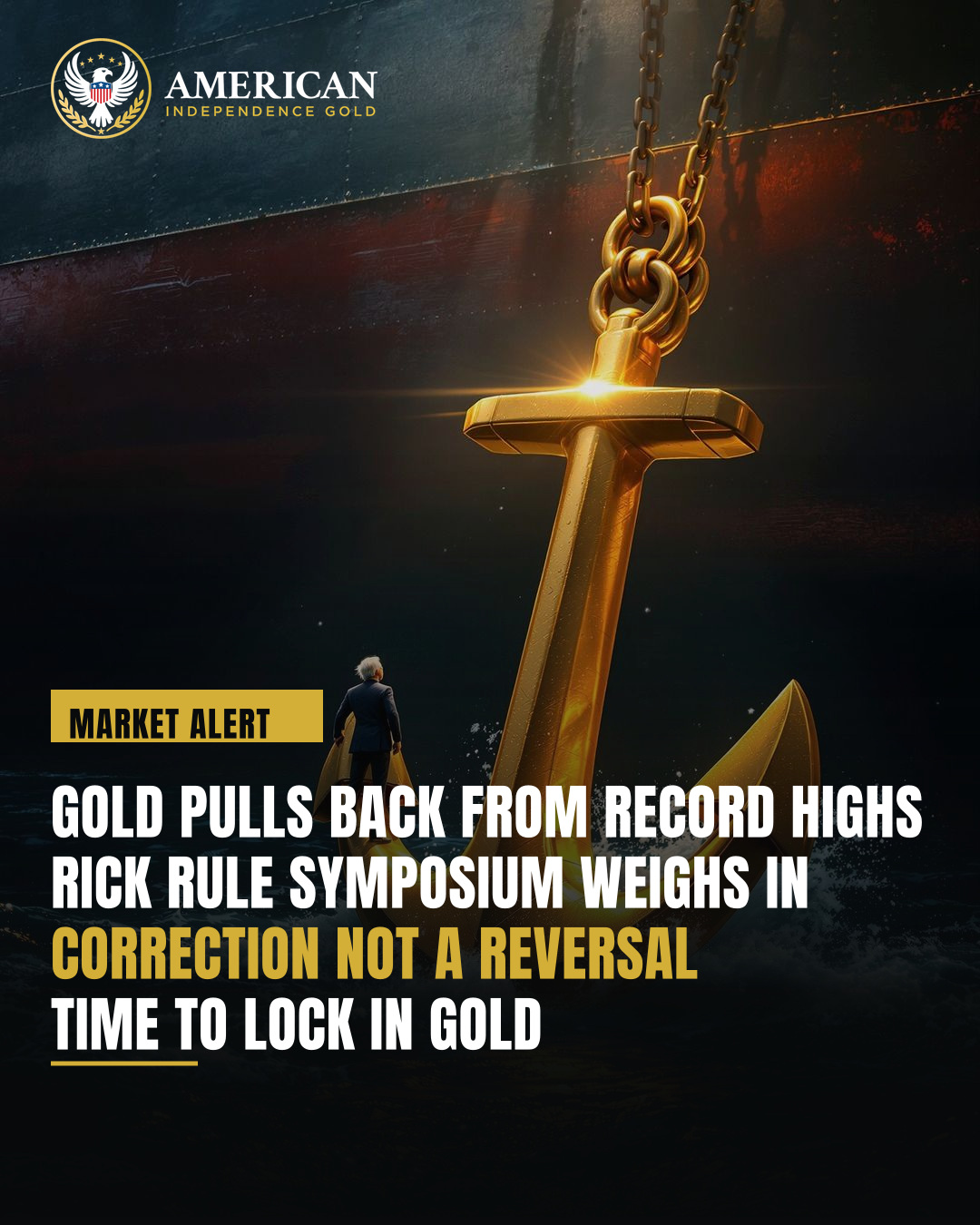


Gold prices pulled back recently, and silver followed. For some investors, that kind of dip feels unsettling. But here’s the thing, the bigger story isn’t the short-term price move. It’s what’s happening underneath the surface, specifically in Asia, where a major shift in how gold is bought, held, and valued is quietly changing the rules for everyone. If you’re thinking about a Gold IRA or you already hold precious metals in your portfolio, this is worth paying close attention to.
Why Asia’s Role in the Gold Market Is Growing Fast
For decades, Western financial institutions and central banks set the tone for gold prices. They decided when to buy, when to sell, and how much gold “should” be worth at any given moment. That dynamic is shifting, and Asia is driving most of the change. Countries like China, India, and several Southeast Asian nations are increasing their gold reserves at a pace that’s hard to ignore. Central banks across the region have been net buyers of gold for years now, and that trend hasn’t slowed down.
What makes this especially interesting is the motivation behind it. Asian central banks aren’t just buying gold because it’s a traditional store of value. Many of them are actively reducing their dependence on the U.S. dollar in their reserve holdings. When a country holds fewer dollars and more gold, it’s making a statement about where it sees long-term financial stability. That kind of structural buying doesn’t disappear when prices dip, it tends to get stronger.
China’s Influence on Gold Demand
China is the world’s largest gold producer and one of its biggest consumers. The Chinese government has been steadily adding gold to its official reserves, and Chinese consumers buy enormous amounts of gold jewelry, coins, and bars every year. The country’s central bank, the People’s Bank of China, has been transparent about its gold-buying strategy in recent years, which has given other Asian institutions confidence to do the same. When the world’s second-largest economy is consistently accumulating gold, it sends a clear signal to markets about where value is being stored.
India’s Consistent Appetite for Physical Gold
India is the world’s second-largest consumer of physical gold. Gold isn’t just an investment there, it’s deeply tied to culture, weddings, festivals, and family wealth. Indian households collectively hold one of the largest private gold reserves on the planet. That kind of demand doesn’t fluctuate much based on short-term price swings. It’s steady, predictable, and enormous in scale. When you add India’s retail demand to China’s institutional buying, you start to understand why Asia is reshaping how gold prices are set globally.
What Safe-Haven Demand Really Means Right Now
The term “safe-haven demand” gets used a lot in financial news, but it’s worth explaining clearly. When investors feel uncertain about the economy, stock markets, inflation, or geopolitical stability, they move money into assets that tend to hold their value when everything else is falling. Gold has been that asset for thousands of years. It doesn’t rely on any government’s promise, it can’t be printed, and it has real-world uses beyond just finance.
Right now, safe-haven demand for gold remains solid even after the recent price dip. That’s actually a meaningful signal. In a weak demand environment, a price drop like this would accelerate as investors rushed to exit. Instead, buyers are stepping in. That pattern suggests the underlying demand for gold as a protective asset is still very much intact. You can check the current gold price anytime to see how it’s moving in real time.
Inflation and Geopolitics Are Still Pushing Investors Toward Gold
Inflation hasn’t fully gone away. While it came down from its 2022 peaks in many countries, the cost of living remains elevated for most American households. When the purchasing power of cash erodes, gold tends to preserve wealth in ways that savings accounts and bonds can’t always match. On top of that, global tensions, from trade disputes to regional conflicts, are keeping investors cautious. Geopolitical uncertainty has historically been one of the strongest drivers of gold demand, and there’s no shortage of it right now.
How This Affects American Investors and Retirement Savers
You might be wondering what Asian central banks buying gold has to do with your retirement account. The connection is more direct than it might seem. As Asia’s influence on gold demand grows, the price floor for gold becomes more supported by structural buying rather than just speculative trading. That means gold’s long-term price support is getting stronger, not weaker, even when short-term volatility creates dips.
For American retirement savers, this is a good time to think seriously about how much of your portfolio is protected against currency risk, inflation, and market volatility. A Precious Metals IRA, specifically a Gold IRA, lets you hold physical gold inside a tax-advantaged retirement account. If you have an existing 401(k) or traditional IRA sitting entirely in paper assets like stocks and bonds, you may want to explore an IRA to Gold IRA transfer to add some real diversification.
This isn’t about abandoning your existing investments. It’s about making sure a portion of your retirement savings is in an asset that doesn’t depend on corporate earnings, Federal Reserve policy, or the health of the stock market to hold its value. Gold has done that job for a very long time, and Asia’s growing role in the market is only making that case stronger.
Frequently Asked Questions
Why is Asia having such a big impact on gold prices?
Asian countries, especially China and India, are among the world’s largest buyers of physical gold. Their central banks are steadily increasing gold reserves while reducing dollar holdings, and their retail consumers buy gold in massive quantities. This structural demand creates a strong price floor that supports gold even during short-term market dips.
Does a short-term gold price drop mean I should avoid investing in gold?
Not necessarily. Short-term price dips in gold are common and often create buying opportunities. The more important factor is the long-term demand trend, which remains strong due to inflation concerns, geopolitical uncertainty, and growing institutional buying from Asian central banks. Many financial advisors treat dips as entry points rather than exit signals.
What is a Gold IRA and how is it different from a regular IRA?
A Gold IRA is a self-directed individual retirement account that holds IRS-approved physical gold and other precious metals instead of just stocks and bonds. It offers the same tax advantages as a traditional IRA but adds the protection of a real, tangible asset. You work with a custodian who stores the metals in an approved depository on your behalf.
Can I move my existing retirement account into a Gold IRA?
Yes. You can roll over funds from a 401(k), traditional IRA, or Roth IRA into a Gold IRA without triggering a taxable event, as long as the process is done correctly. This is called a rollover or transfer, and a reputable Gold IRA company will walk you through every step to make sure it’s done within IRS guidelines.
Is gold still a good safe-haven asset given recent price drops?
Yes. Safe-haven demand for gold stays strong when economic uncertainty, inflation, and geopolitical risk are elevated, all of which are still present today. Price drops in gold are normal and don’t erase its fundamental role as a store of value. In fact, steady demand during a dip is often a sign that the asset’s long-term support is intact.
The gold market is going through a real transformation, and Asia is at the center of it. For American investors, that shift creates both context and opportunity. If you want to learn more about protecting your retirement savings with physical precious metals, contact us at American Independence Gold or call us directly at (844) 714-4653. Our team is ready to walk you through your options and help you decide if a Gold IRA makes sense for your situation.